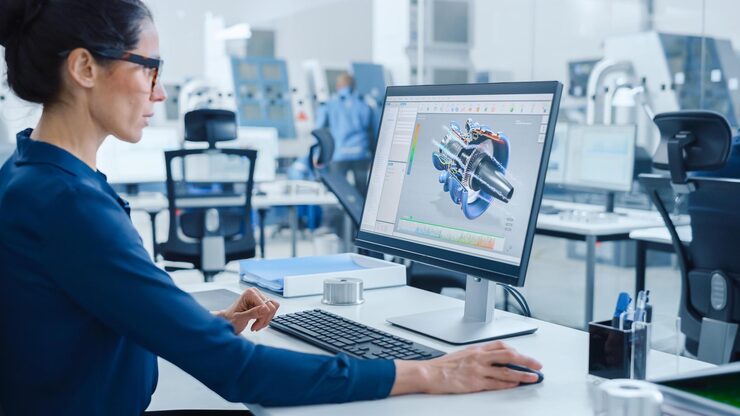
In the modern aerospace industry, accuracy, efficiency, and innovation are essential for successful aircraft development. Engineers now rely on sophisticated tools to design, simulate, and optimize complex systems, ensuring safety and performance. Among these tools, system modeling stands out as a cornerstone, enabling engineers to visualize, test, and refine aircraft systems digitally before moving to physical prototypes. By integrating multiple engineering disciplines into a single platform, system modeling reduces development time, minimizes errors, and enhances overall project outcomes.
What is System Modeling in Aerospace?
System modeling is the process of creating a comprehensive digital representation of an aircraft’s systems, including avionics, propulsion, hydraulics, and control mechanisms. It allows engineers to simulate real-world scenarios, predict system behavior, and analyze performance under various conditions. The key advantage of system modeling is the ability to identify potential issues early in the design phase, which reduces costly modifications later.
Key features of modern system modeling tools include:
- Integrated simulation environment: Enables engineers to model interactions between multiple subsystems in real-time.
- Data-driven analysis: Supports advanced calculations, performance monitoring, and predictive assessments.
- Optimization algorithms: Helps improve system efficiency, reliability, and safety.
- Collaboration capabilities: Facilitates teamwork across engineering departments by maintaining a unified digital model.
By combining these features, system modeling creates a robust framework for designing next-generation aircraft efficiently and safely.
Benefits of System Modeling in Aircraft Development
System modeling provides multiple advantages throughout the aerospace lifecycle. Engineers can test designs virtually, reducing the need for physical prototypes and expensive trial-and-error processes. This approach improves project efficiency and ensures that designs comply with rigorous safety standards.
Some major benefits include:
- Enhanced accuracy: Virtual simulations reduce human error and provide precise insights into system performance.
- Cost savings: Detecting design flaws early avoids costly rework and material wastage.
- Faster development cycles: Engineers can test multiple design iterations rapidly in a digital environment.
- Improved safety: Simulating emergency scenarios and extreme conditions helps develop more reliable aircraft.
For example, aerospace companies can use system modeling to analyze the impact of different propulsion configurations on fuel efficiency. By evaluating these variations digitally, designers can select the most effective solutions before manufacturing begins.
Integration with Flight Simulation
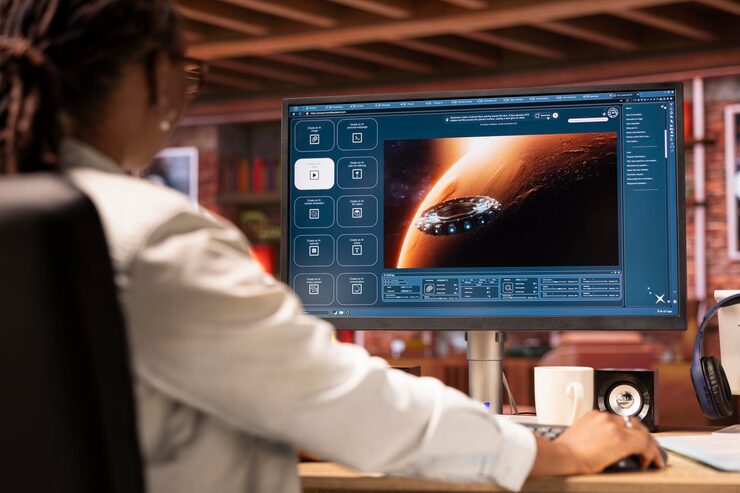
System modeling does not operate in isolation; it is often integrated with advanced flight simulator setup tools to replicate real-world flight conditions. By linking digital models with simulator environments, engineers can observe how aircraft systems respond during various maneuvers, weather conditions, and operational scenarios.
This integration allows for:
- Real-time testing: Immediate feedback on system performance during simulated flights.
- Training applications: Pilots and technicians can interact with realistic scenarios before operating actual aircraft.
- Design validation: Confirms that system models perform as intended in dynamic flight conditions.
Such synergy between system modeling and flight simulators ensures that designs are both operationally sound and optimized for real-world applications.
Driving Innovation in Aerospace Engineering
System modeling is central to innovation in aerospace engineering. By providing a digital sandbox for experimentation, engineers can explore novel technologies, materials, and control strategies without risking physical resources. This capability has led to the development of more efficient propulsion systems, advanced avionics, and improved structural designs.
Moreover, system modeling supports the broader trend of digital transformation in aerospace. Engineers can leverage data analytics, machine learning, and predictive modeling to enhance design decisions, reduce maintenance needs, and improve operational efficiency. Companies that embrace these digital tools are better positioned to respond to evolving industry demands and competitive pressures.
Case Studies: Practical Applications
Several aerospace projects have demonstrated the value of system modeling in real-world scenarios. For example, commercial aircraft manufacturers have successfully used digital simulations to reduce prototype iterations and optimize fuel efficiency. Military aerospace programs employ system modeling to validate complex avionics and control systems before deployment, ensuring both safety and performance.
In addition, integrating flight simulator setups with system models allows companies to provide immersive pilot training programs, reducing the risk of in-flight errors and improving overall safety standards.
Future Trends in System Modeling
The future of aerospace system modeling will be shaped by advancements in AI, cloud computing, and virtual reality. Emerging trends include:
- AI-assisted system optimization: Automating design evaluations to identify the most efficient solutions.
- Cloud-based collaborative platforms: Enabling global teams to work on unified models in real-time.
- Virtual and augmented reality interfaces: Enhancing visualization and interaction with complex systems.
- Predictive maintenance modeling: Using simulations to anticipate system failures and optimize maintenance schedules.
These innovations will make system modeling an even more indispensable tool in the aerospace industry, driving both efficiency and technological advancement.
Conclusion
System modeling has revolutionized aerospace engineering by providing a comprehensive digital framework for designing, testing, and optimizing aircraft systems. By integrating simulation, data analysis, and flight simulator setups, engineers can develop safer, more efficient, and innovative aircraft. As digital transformation continues to reshape the industry, leveraging system modeling tools will be essential for aerospace companies aiming to stay ahead in a competitive and evolving market.